Menu
Image 1 Image 2 Image 4

Welcome to Ogongo International Art Residency

Ogongo International Art Residency

Ogongo International Art Residency

About Us

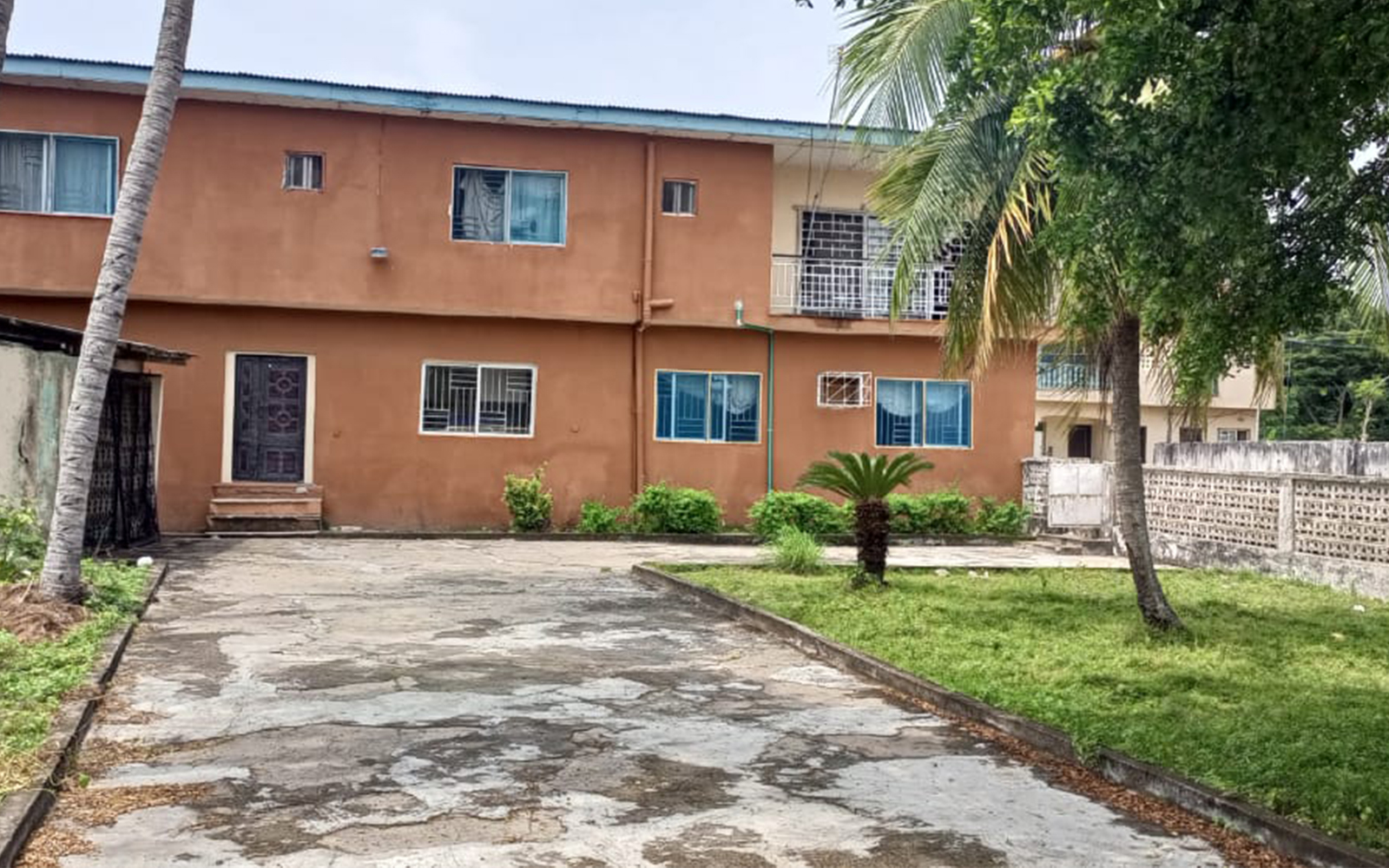
The Ongongo International Residency stands as a newly established program located in the historic town of Badagry, on the fringes of the Atlantic Ocean in Lagos State, Nigeria. Initiated by the renowned Nigerian artist Muyiwa Akinwolere, the residency allows participants to immerse themselves in the rich cultural heritage of Badagry, a town steeped in history and regarded as the cradle of civilization.

This unique town, a living museum in itself, offers resident artists the exceptional opportunity to explore and experience its preserved ancient art and culture, slave relics, and integrated museums. The Ongongo International Residency provides artists and curators from various media backgrounds the chance to significantly enhance and evolve their artistic practice within the supportive and inspiring community of Badagry."

Vision

The Ongongo Residency is designed to elevate artists from all fields, as well as researchers and anthropologists. Its aim is to enhance their insight into African cultures and values, particularly highlighting the significant role of Badagry’s cultural heritage in the progression of Black History. Participants will engage deeply with these traditions, gaining a comprehensive understanding of their importance and impact.

Mission

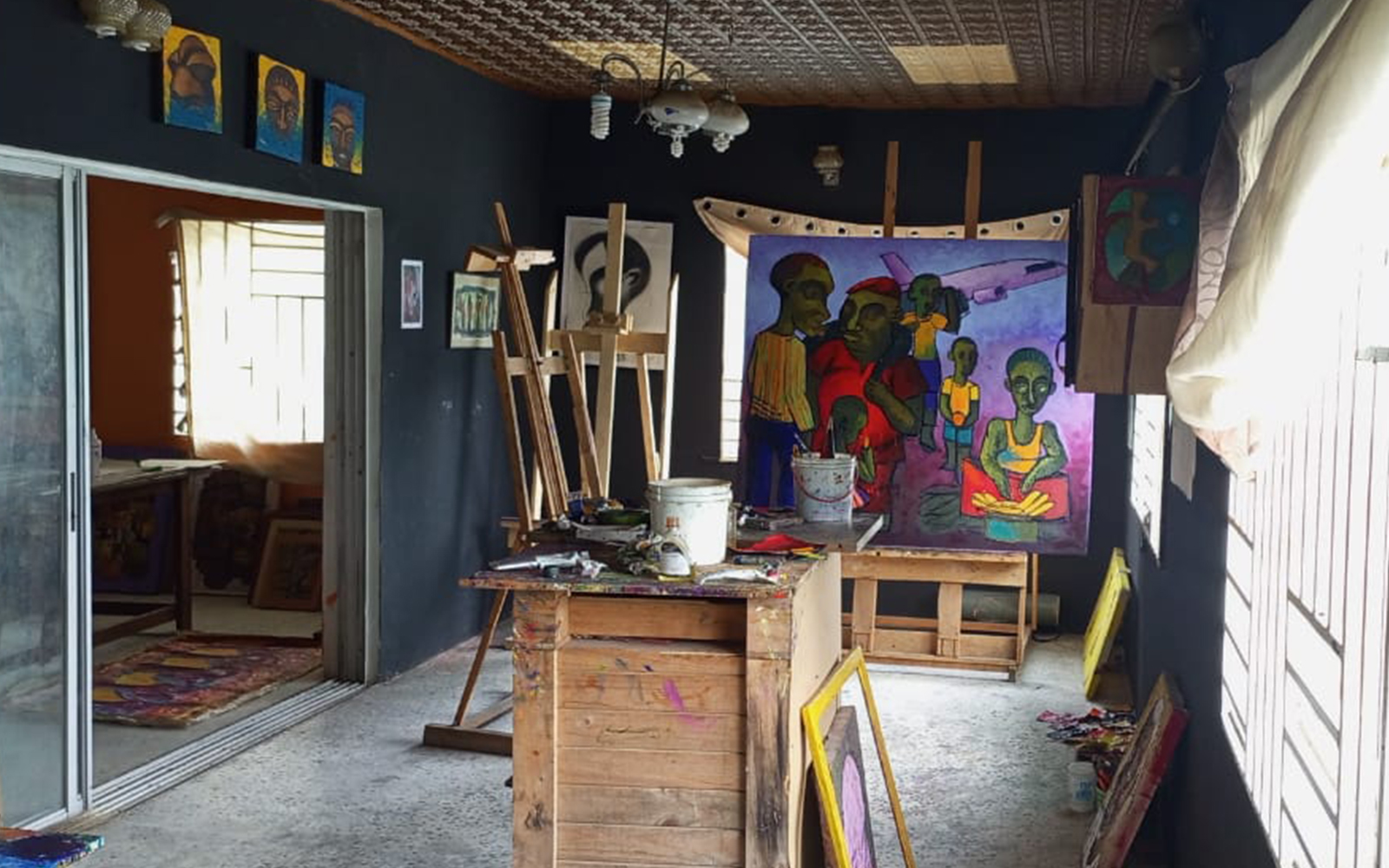
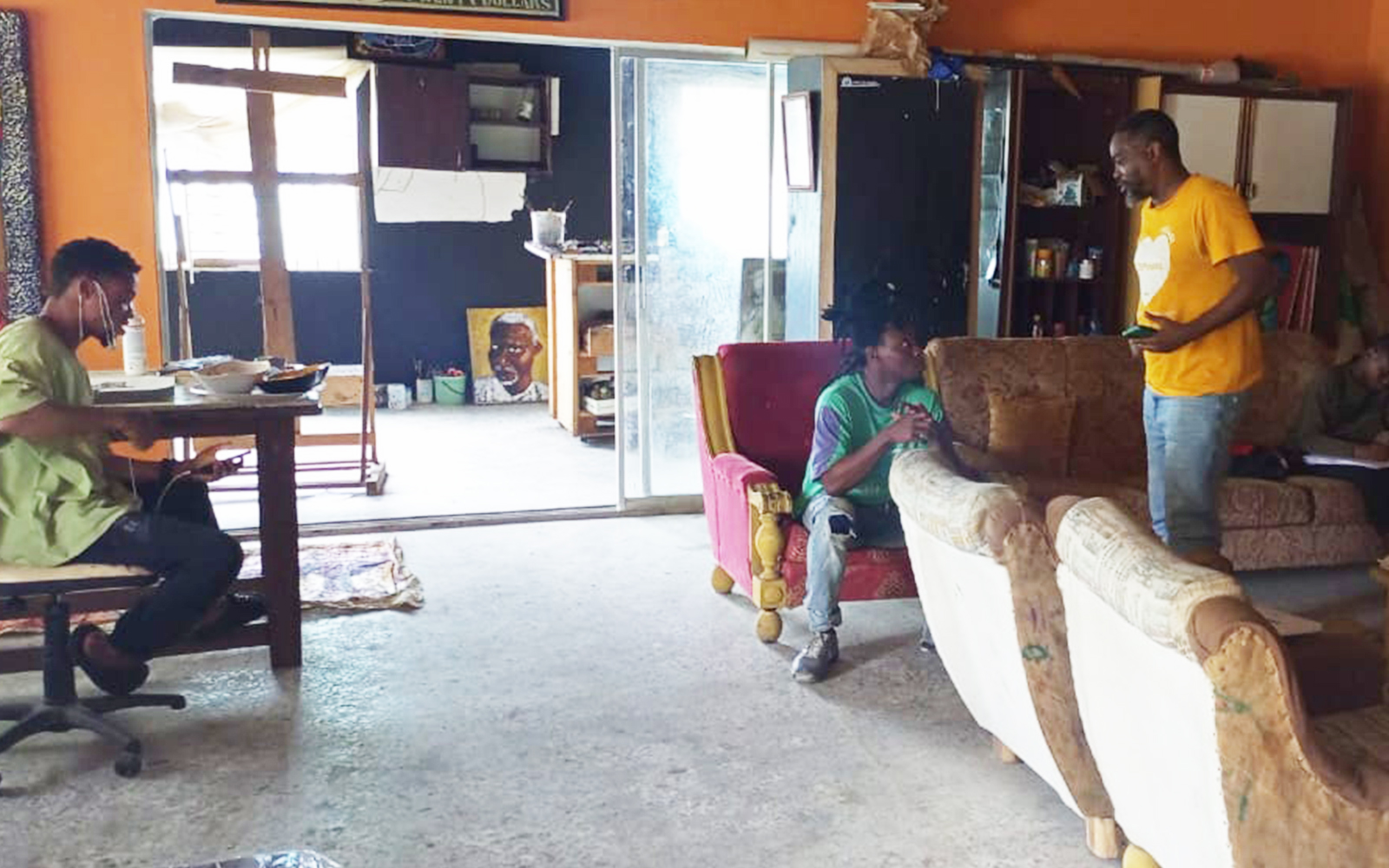
The Ogongo Residency is committed to offering artists a distinctive opportunity to actively contribute to the community and history of Black Nations through socially engaged projects. It endeavors to establish a platform for direct interaction among professionals, offering a space for artistic experimentation and exploration. This initiative celebrates the abundant historical values of Badagry, a legacy honored and preserved from the late Dr. Adeniyi Adele, ensuring the rich traditions continue to thrive and inspire.
Apply Now

Ogongo International Art Residency is pleased to announce her open call for applications for May and August 2024 residencies.
Applications are welcomed from emerging and mid-career artists who are interested in exploring themes of history, curiosity, relativism and archival research. Artists working with painting, sculpture, photography, sound and video are encouraged to apply.

Requirements

  • A cover letter
  • A 250-word project description
  • A comprehensive resume

    Deadline: March 14, 2024 (12am).


    The above documents should be sent as PDFs to: [email protected], with ‘Ogongo Residency Application’ as the subject.
    NOTE 1- Please state your preferred date and month for the residency as well as your social media handles/phone number on the cover letter. 2- There would be interviews via Zoom for shortlisted candidates on March 30, 2024. By 6pm Nigerian time.

    Duration

    The residency is scheduled to occur twice annually, with each session spanning four weeks. During this time, residents will reflect upon and craft their personal artistic interpretations of Badagry. In the final week of residency, artists are anticipated to present their works to the local community, sharing their insights and artistic expressions garnered from their time spent in the historic town.

    Who May Apply

    The residency warmly welcomes mid-career artists from all around the globe. Open to creative writers, visual artists, photographers, performance artists, musicians, researchers, and anthropologists, it offers a unique opportunity for individual exploration and growth. Each residency grants one person a four-week duration to immerse, develop, and articulate their craft within this rich cultural context.

    Funding

    The residency operates on a self-funded basis for mid-career artists across all mediums. Resident artists are encouraged to seek grants that will cover all necessary expenses, including food and transportation. To thoroughly explore tourist centers, museums, and other significant locations within the Badagry community, resident artists will require a vehicle. The services of a motorcyclist can also be availed for enhanced mobility and exploration during the residency period.


  • Artists


    • img05

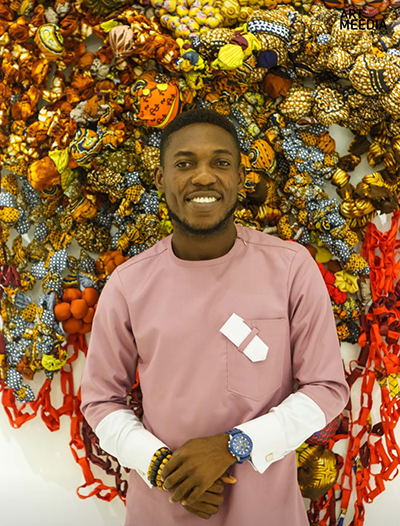
      Mathew Oyedele

      PORTFOLIO

      Mathew Oyedele is a curator and art historian who explores his immediate environment for thematic references and materials. He graduated from the University of Benin in 2016 and has been practicing as an art historian since then, with a number of publications to his credit.

      He is presently an independent curator and art historian who sees himself as a mediator and caregiver for art and society. He also documents the styles and techniques of African artists through interviews, opinions, essays, and exhibition reviews. His writings can be read on punchng.com, ynaija.com, olisa.tv, Kalahari review, Timeless magazine and his personal blog: artsdiscourse.blogspot.com.

      Mathew presented a paper on the expansion of the Lagos Art World in recent time at the Arts Council of the African Studies Association Triennial Conference, held virtually in June, 2021. He is also the founder and curator of Beyond Limit, an annual exhibition of contemporary ceramics which has been running since 2022.

      Mathew lives and works in Lagos, Nigeria.

      PROJECT

      If we could ask the waters…?

      For this residency, I'll be conducting research into the archives, buildings and history of Badagry to deepen my preparation and understanding of the topic If we could ask the waters. The subject is a curatorial research that addresses the history, identity and temperament of the city of Lagos. It is a call for knowledge, healing and inquiry.

      Water often represents access, passage, life, point of departure, end of a cycle and beginning of a new life. It is this same water that made Lagos the commercial capital of Nigeria and the centre for slave departure in the colonial era. Standing at the shores of the water in Badagry, I wondered, how can this water redraw the pathways to identity? How can it facilitate an alignment between self and the celestial? How can it help to answer and solve the struggle for identity in this contemporary time?
    • img05

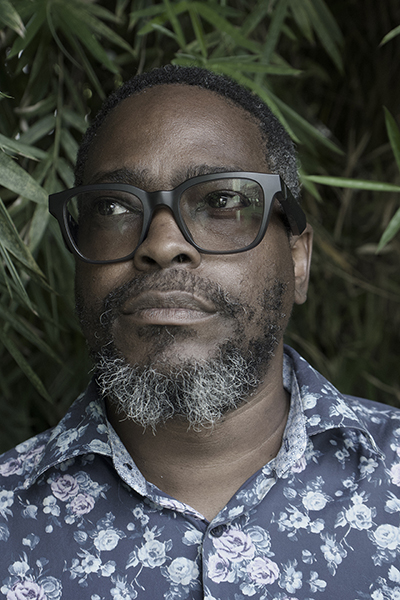
      Ayodamola Tanimowo Okunseinde

      PORTFOLIO

      Ayodamola Tanimowo Okunseinde (ayo) is a Nigerian-American artist, designer, anthropologist and time-traveler living and working in New York.

      He studied Visual Arts and Philosophy at Rutgers University where he earned his B.A. His works range from painting and speculative design to physically interactive works, wearable technology, and explorations of “Reclamation”. His residency participation includes ITP’s S.I.R., IDEO’s Fortnight, The Laundromat Project, Eyebeam, New INC, and Recess Assembly. He has exhibited and presented at the 11th Shanghai Biennale, Tribeca Storyscapes, EYEO Festival, Brooklyn Museum, M.I.T. Beyond the Cradle, and Afrotectopia amongst others.

      Okunseinde was nominated for the 2021 inaugural Knight Art + Tech Fellowship and is a 2021 fellow of the Graduate Institute for Design, Ethnography & Social Thought. His works exist between physical and digital spaces; across the past, present and future. Okunseinde’s works ask us, via a technological lens, to reimagine notions of race, identity, politics, and culture as we travel through time and space. Okunseinde has taught at multiple institutions including New York University, Bennington College, and Hostos CUNY. He holds an M.F.A. in Design and Technology and an M.A. in Anthropology from The New School. He is currently a Ph.D. student in Anthropology at The New School for Social Research and serves as an Assistant Professor of Interaction and Media Design at Parsons School of Design.

    Badagry


    The Badagry harbour

    The Badagry harbour led to the town becoming a key port in the export of slaves to the Americas, which were mainly to Salvador, Bahia in Brazil. It was such a big departure point for slaves headed for French Saint-Domingue (today's Haiti). The main god of Haiti's official religion of Vodun is called Ogun-Badagri. After its discovery in the late 1720s, a British trading post was established there in the late 1820s. Consequent upon this establishment, Badagry developed as a palm-oil port for Egbaland to the north and as an importer of European cloth. It also became the site of the first European Mission church (Methodist) in Nigeria in 1842 and it remained a leading port and mission centre until the attack in 1851 by the army of Lagos when the city was destroyed by fire. That attack, together with the constant threat of the Fon and the poor sandy soils in the area, led to the complete exodus of the town’s traders, missionaries, and farmers.

    Badagry and Christianity

    From the 1840s, following the suppression of the slave trade, Badagry declined significantly but became a major site of Christian mission work. The first education system of Nigeria as a British colony started in Badagry where the first primary school was established by the Wesleyan mission (Methodist Church) in 1843: the Nursery of Infant Church later became St. Thomas’ Anglican Nursery and Primary School. It was founded by Rev. Golmer of the Church Missionary Society (CMS) in 1845. In 1863 the town was annexed by the United Kingdom and incorporated into the Lagos colony. In 1901 it became a part of Nigeria.

    Badagry waters

    Badagry, also known as Gbadagri, is a coastal town and local government area in Lagos State, South West Nigeria. Being the second largest town in Lagos State, Badagry is surrounded by lakes, creeks or runlets and island, which makes beaches and resorts one of the major attractions of the ancient town.

    Badagry produce

    Badagry subsists largely on fishing and agriculture. In the 1880s, coconut plantations were established in Badagry and the present-day Badagry still exports coconuts, copra, coconut husk fibre (coir), fish, vegetables, and cassava to Lagos about 55 km (34 mi) away. Also, after the establishment of a factory that makes bags for packing farm products in the mid-1960s, the packaging of kenaf (which is a fibrous plant) became highly important. The area traded primarily in fish, palm oil and kernels, cassava, coconut and corn (maize)

    Badagry situated

    Badagry is sited on the north bank of Porto Novo runlet, an inland waterway that links the national capitals of Nigeria (Lagos) and Benin (Porto-Novo), and also on a road that leads to Lagos, Ilaro, and Porto-Novo. Badagry is the seat of a local government council and it is inhabited by Popo and Gun peoples mainly. It rapidly became a major residential suburb of Lagos after the opening of an expressway in 1976. The area has an automotive assembly plant, and it is the site of a college, a secondary school, and several hospitals as well.

    Contact Us

    Address: Number 10 Adele Ajosin Street Off Badagry Roundabout, Lagos

    Phone: +234 7037419356

    E-Mail: [email protected]


    Contact Form